
What Is Pancreatic Cancer?
Pancreatic cancer arises from the pancreas, an organ located deep in the abdomen that plays a key role in digestion and blood sugar regulation. It is one of the most challenging cancers because early symptoms are often vague, leading to delayed diagnosis.
Despite this, early detection and specialized multimodality treatment can improve outcomes, and awareness plays a critical role.
Why Pancreatic Cancer Awareness Is Important
- Early symptoms are non-specific and easily ignored
- The pancreas lies deep in the abdomen, so tumors are not easily felt
- Many patients present at an advanced stage
- Early evaluation allows:
- Better treatment options
- Improved survival
- Better quality of life
Awareness helps people seek medical care before severe symptoms appear.
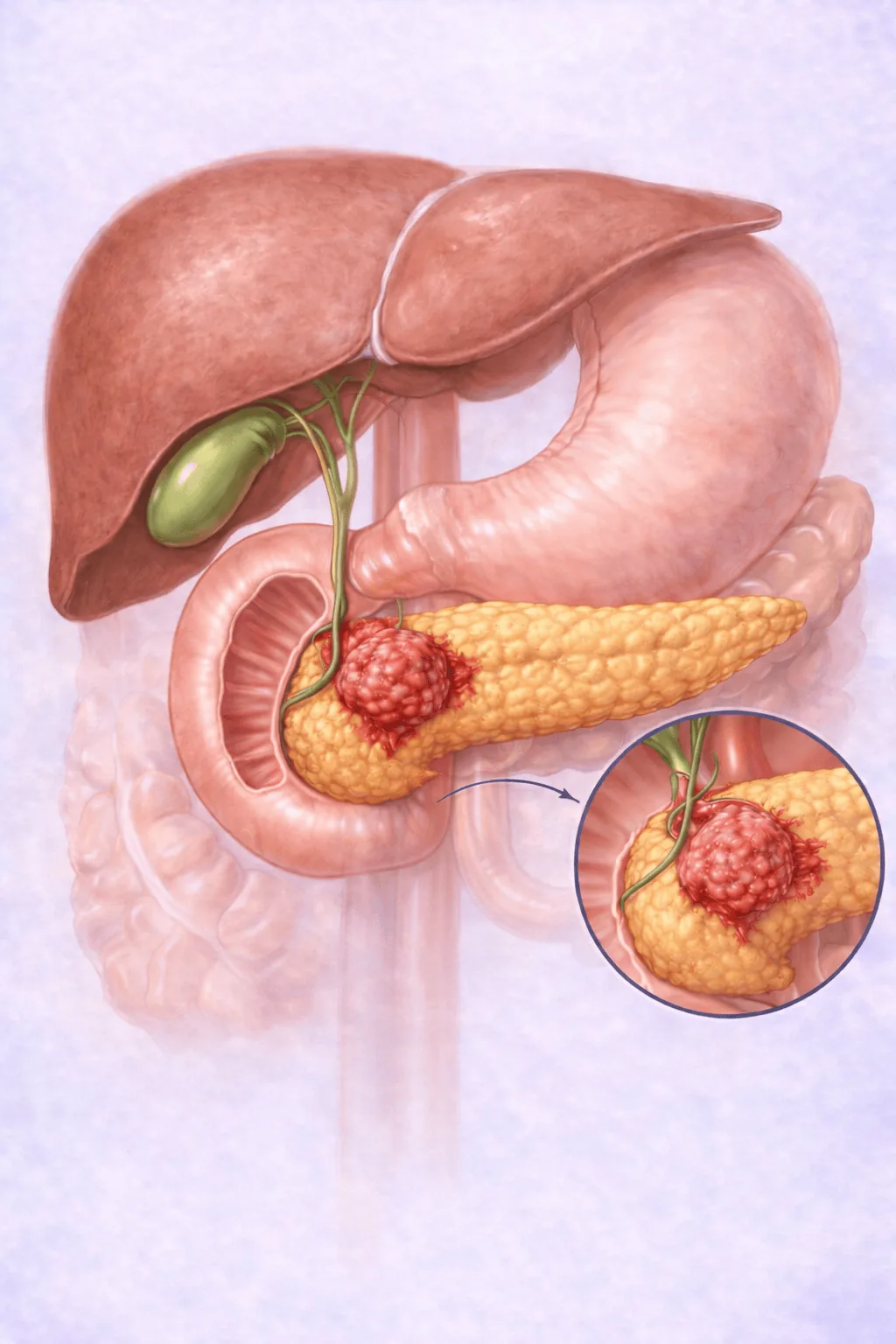
Pancreatic Cancer – Key Statistics
Global
- Pancreatic cancer is the 7th leading cause of cancer-related deaths worldwide
- Over 495,000 new cases are diagnosed each year
- It has one of the lowest overall survival rates among major cancers
- Incidence is gradually increasing globally
India
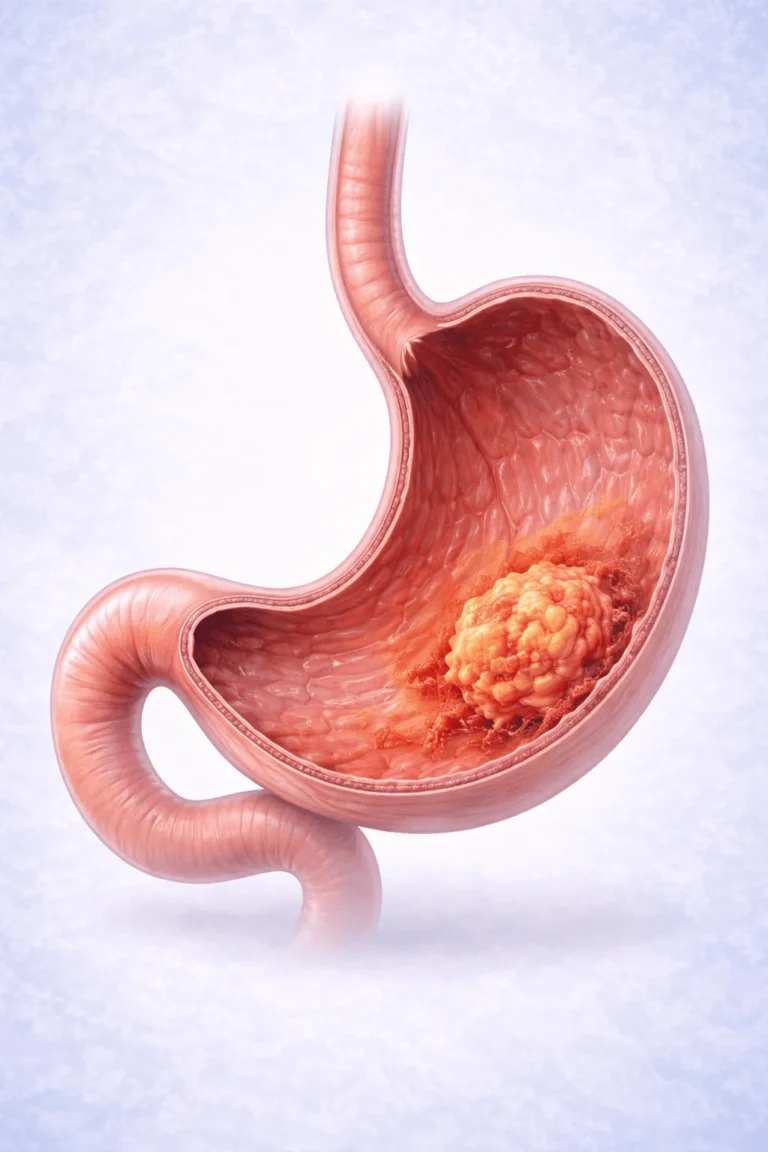
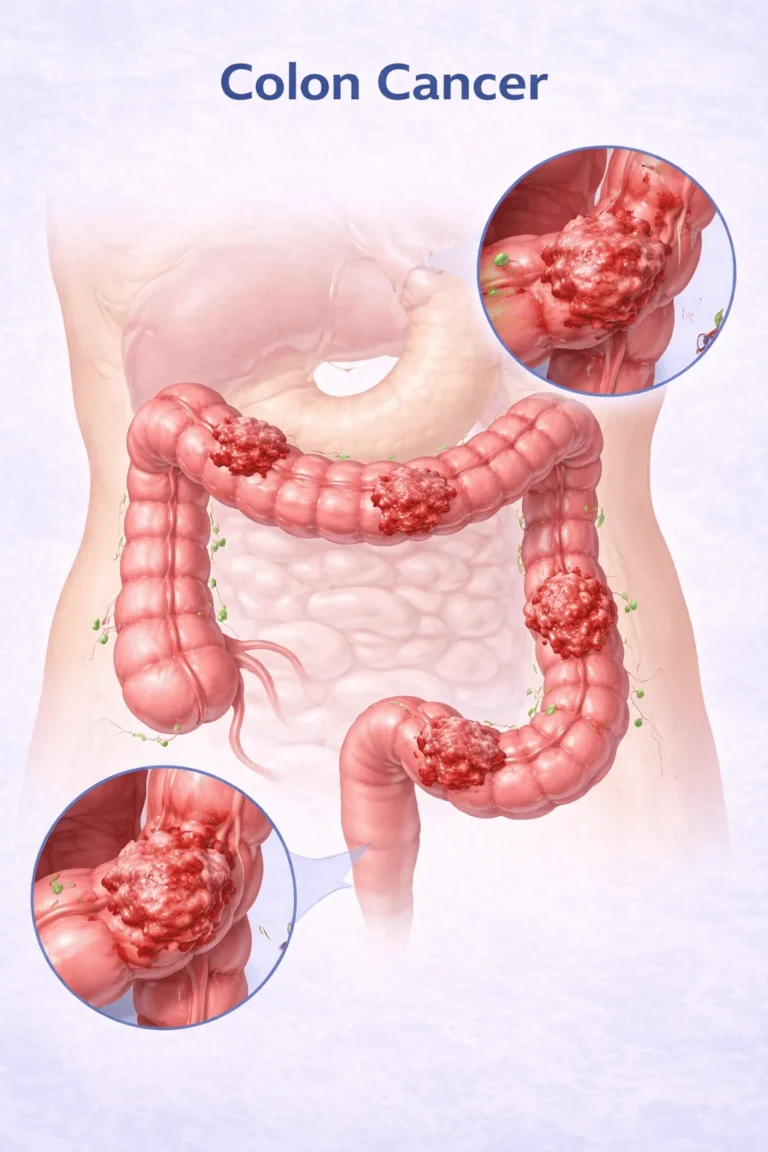
- Pancreatic cancer is less common than GI cancers like stomach or colon cancer, but mortality is high
- Most patients present in locally advanced or metastatic stages
- Outcomes improve when managed at specialized cancer centers by oncologists
Types of Pancreatic Cancer
- Pancreatic ductal adenocarcinoma (PDAC) – most common
- Neuroendocrine tumors (less common, different behavior)
- Cystic tumors (some are precancerous)
Who Is at Risk?
You may be at higher risk if you have:
- Age above 55–60 years
- Smoking (strongest modifiable risk factor)
- Long-standing diabetes
- Chronic pancreatitis
- Family history of pancreatic cancer
- Obesity
- Genetic syndromes (rare)
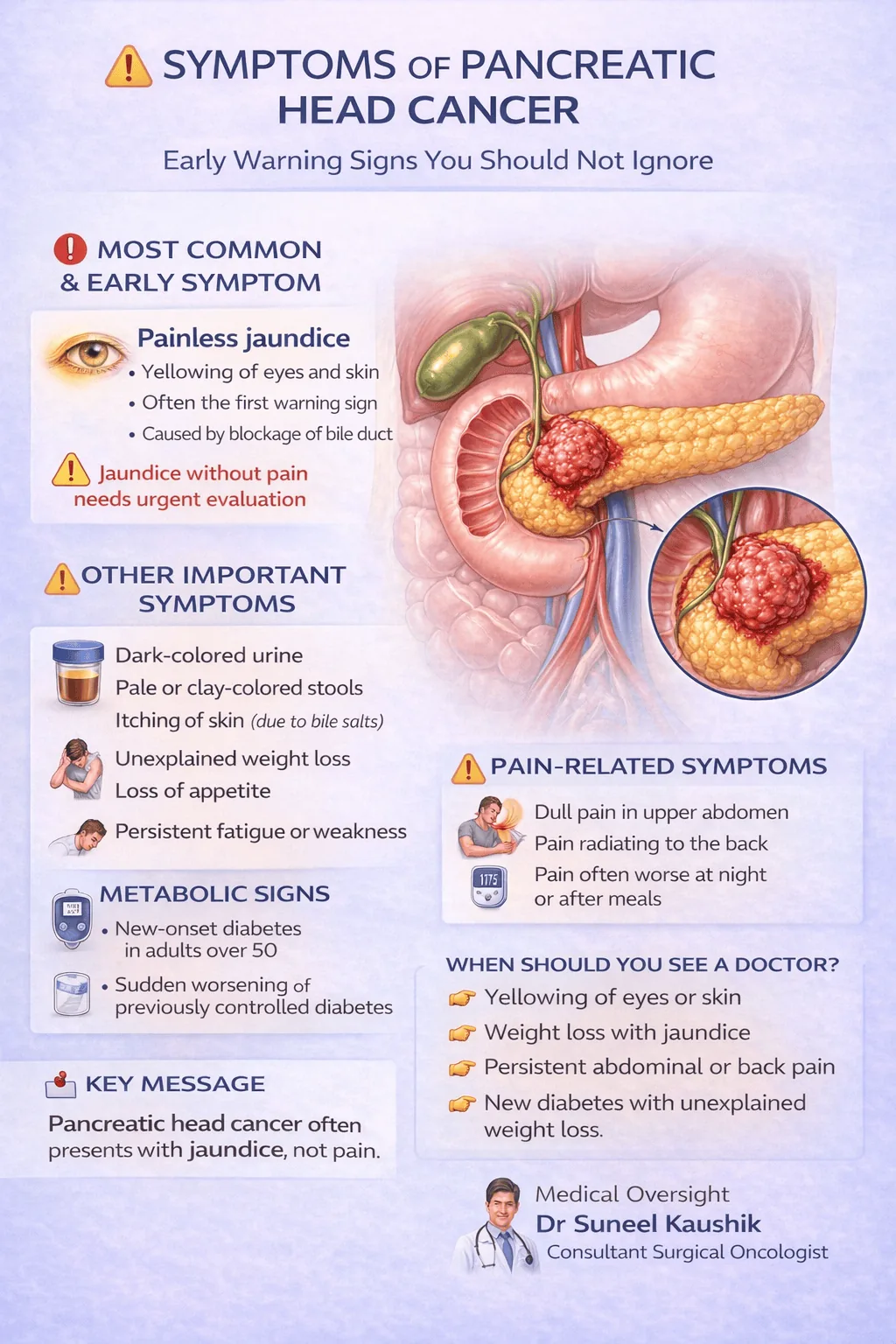
Common Warning Signs (Often Subtle)
Seek medical attention if you experience:
- Painless jaundice (yellowing of eyes/skin)
- Dark urine and pale stools
- Unexplained weight loss
- Loss of appetite
- Upper abdominal or back pain
- New-onset diabetes in older adults
- Persistent fatigue or weakness
Jaundice with weight loss should never be ignored.
How Is Pancreatic Cancer Diagnosed?
- Blood tests (including liver function tests)
- Contrast CT scan of the abdomen (key investigation)
- MRI / MRCP in selected cases
- Endoscopic ultrasound with biopsy
- PET-CT for staging when needed
Treatment of Pancreatic Cancer
A Multimodality, Stage-Wise Approach
Management depends on stage, tumor location, and patient fitness, and is best delivered by a multidisciplinary team.
1. Resectable (Early-Stage) Pancreatic Cancer
Goal: Cure
- Surgery is the cornerstone (e.g., Whipple procedure/pancreatectomy)
- Followed by chemotherapy
- Best chance for long-term survival
2. Locally Advanced Pancreatic Cancer
Goal: Disease control and possible conversion to surgery
- Chemotherapy ± radiotherapy
- Surgery may be possible in selected responders
- Multimodality treatment improves outcomes
3. Advanced / Metastatic Pancreatic Cancer
Goal: Prolong survival and improve quality of life
- Chemotherapy
- Targeted therapy in selected patients
- Palliative care for symptom relief
- Nutritional and pain management are essential
Can Pancreatic Cancer Be Prevented?
While not always preventable, risk can be reduced by:
- Avoiding smoking
- Maintaining healthy weight
- Managing diabetes appropriately
- Early evaluation of persistent symptoms
When Should You See a Doctor?
- Yellowing of eyes or skin
- Unexplained weight loss
- Persistent abdominal or back pain
- New-onset diabetes with weight loss
Early consultation can make a meaningful difference.
Key Take-Home Message
Pancreatic cancer is difficult—but not hopeless. Early suspicion, timely imaging, and specialized care offer the best chance for effective treatment.
Surgery for Pancreatic Cancer
Surgery offers the only potential cure for pancreatic cancer, but it is possible only in selected patients where the cancer is detected early and has not spread to major blood vessels or distant organs. Because pancreatic surgery is complex, it should be performed only at experienced, high-volume cancer centers.
When Is Surgery Possible?
Surgery is considered when:
- The cancer is confined to the pancreas
- There is no distant spread (liver, lungs, peritoneum)
- Major blood vessels are not extensively involved
- The patient is medically fit to undergo major surgery
Only about 15–20% of patients are suitable for surgery at diagnosis, which highlights the importance of early detection.
Types of Surgery for Pancreatic Cancer
1. Whipple Procedure (Pancreaticoduodenectomy)
This is the most common operation, used when the tumor is located in the head of the pancreas.
What is removed
- Head of the pancreas
- Duodenum (first part of small intestine)
- Gallbladder
- Part of the bile duct
- Nearby lymph nodes
What is preserved
- Most of the stomach (in many modern techniques)
Reconstruction: After removal, the digestive tract is reconstructed to allow:
- Food passage
- Bile drainage
- Pancreatic enzyme flow
This is a long and technically demanding surgery, but in experienced hands, it can be performed safely with good outcomes.
2. Distal Pancreatectomy
Used when the cancer is in the body or tail of the pancreas.
What is removed
- Body and tail of the pancreas
- Often the spleen
This surgery is generally less complex than the Whipple procedure, but still requires expertise.
3. Total Pancreatectomy (Selected Cases)
In rare situations, the entire pancreas must be removed.
Consequences
- Lifelong insulin dependence (diabetes)
- Lifelong pancreatic enzyme replacement
This approach is reserved for highly selected patients.
Surgery Alone Is Not Enough
Even after successful surgery:
- Microscopic cancer cells may remain
- Therefore, chemotherapy after surgery is essential
- In some cases, chemotherapy is given before surgery to:
- Shrink the tumor
- Improve chances of complete removal
Surgery is one part of a multimodality treatment plan, not a standalone cure.
Risks and Recovery
Pancreatic surgery is major surgery and may involve:
- Temporary digestive issues
- Delayed gastric emptying
- Risk of infection or pancreatic leak
With modern techniques and specialized care:
- Mortality rates are low in experienced centers
- Most patients gradually return to normal daily activities
- Nutritional support and follow-up are critical
Life After Surgery
After recovery:
- Pancreatic enzyme supplements may be required
- Blood sugar levels are monitored
- Regular follow-up scans and blood tests are needed
- Quality of life can be good with proper support
Surgery: Key Take-Home Message
Surgery offers the best chance of cure in pancreatic cancer, but:
- It is suitable only for selected patients
- It must be done at expert centers
- It works best when combined with chemotherapy
Early diagnosis and timely referral make a real difference.