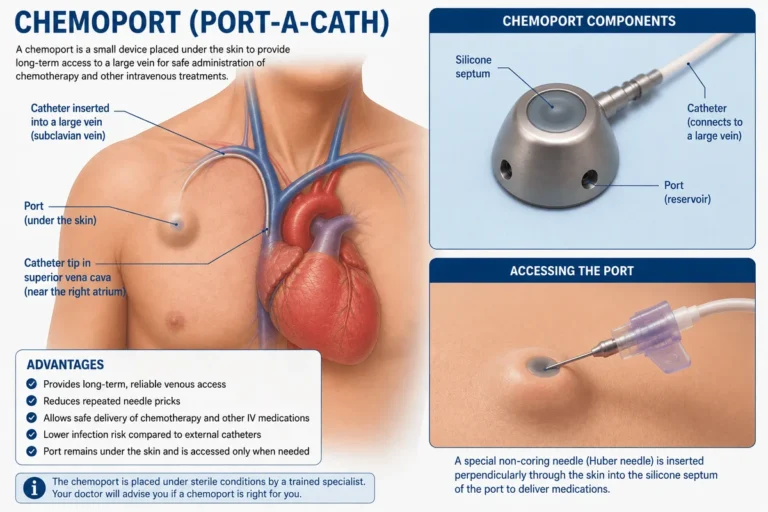

Cancer screening is one of the most powerful tools in modern medicine to detect cancer at its earliest and most curable stage. With timely screening, many cancers can be prevented, treated effectively, and even completely cured.

Why Cancer Screening Matters
- Detects cancer before symptoms appear
- Significantly improves survival rates
- Enables minimally invasive/less aggressive treatment
- Reduces treatment cost & complexity
As a Surgical Oncologist, Dr Suneel Kaushik emphasizes proactive screening for individuals across age groups, especially those with risk factors such as family history, tobacco use, genetic predisposition, or lifestyle-related risks.
Cancer Screening Recommendations
Screening Options for Women
| Cancer Type | Screening Test | Recommended Age / Frequency |
|---|---|---|
| Breast Cancer | Mammogram ± Ultrasound | From 40 years, every 1–2 years (earlier if high risk) |
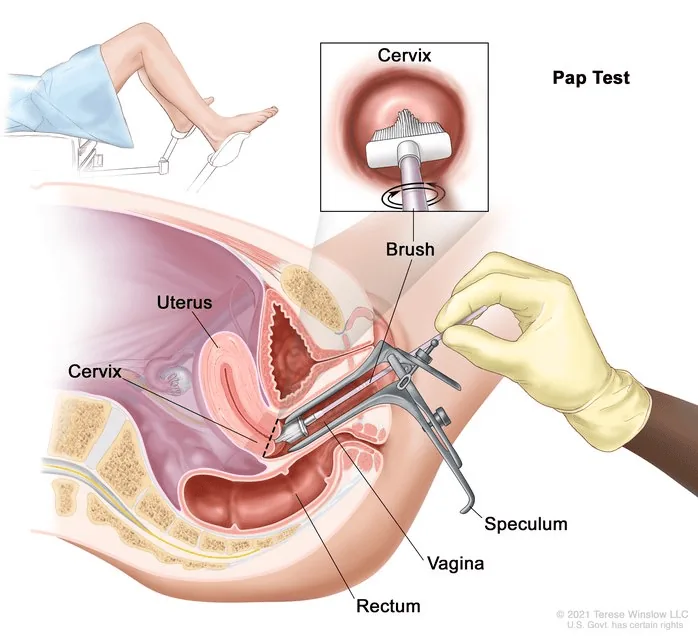
| Cervical Cancer | Pap Smear, HPV DNA Test | Pap: every 3 years from 21–65; HPV test: every 5 years |
| Ovarian Cancer | Pelvic exam, Ultrasound | For high-risk women only (BRCA, family history) |
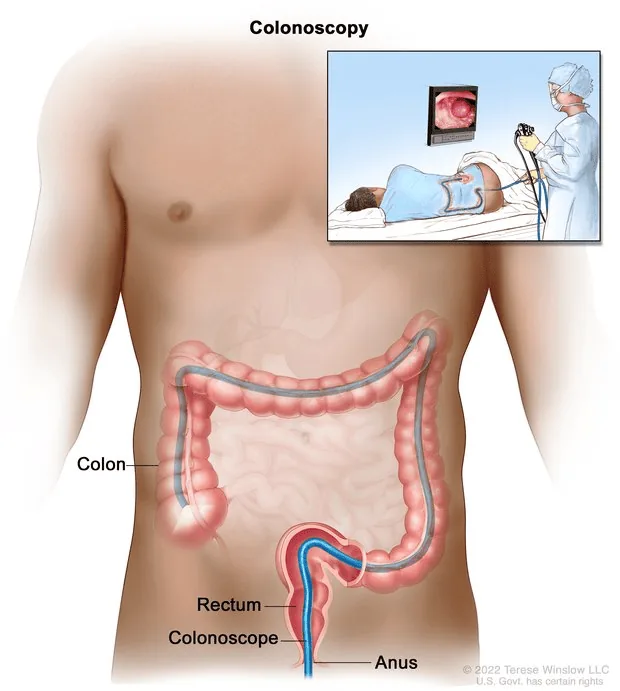
| Colorectal Cancer | Colonoscopy / Stool test | From 45 years |
| Oral Cancer | Clinical oral exam | Annual, especially for tobacco users |
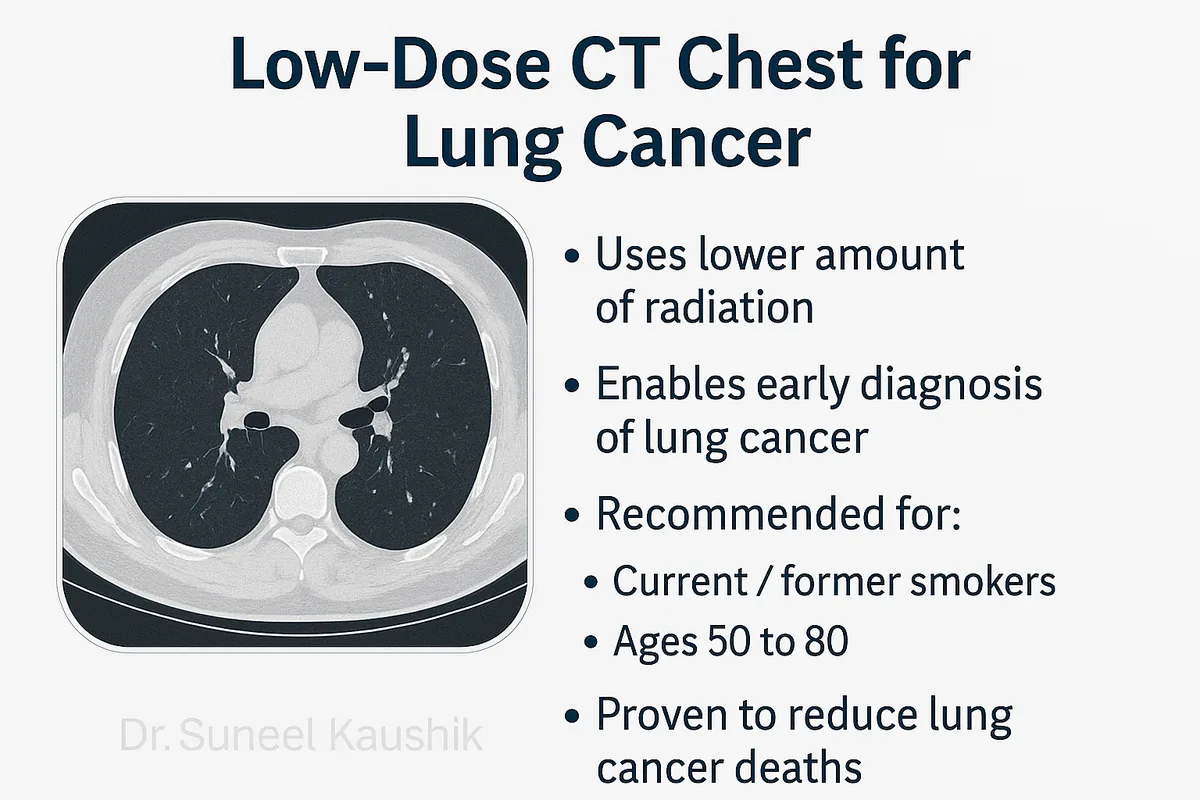
| Lung Cancer | Low-dose CT scan | Current/former smokers: yearly after age 50 |
Screening Options for Men
| Cancer Type | Screening Test | Recommended Age / Frequency |
|---|---|---|
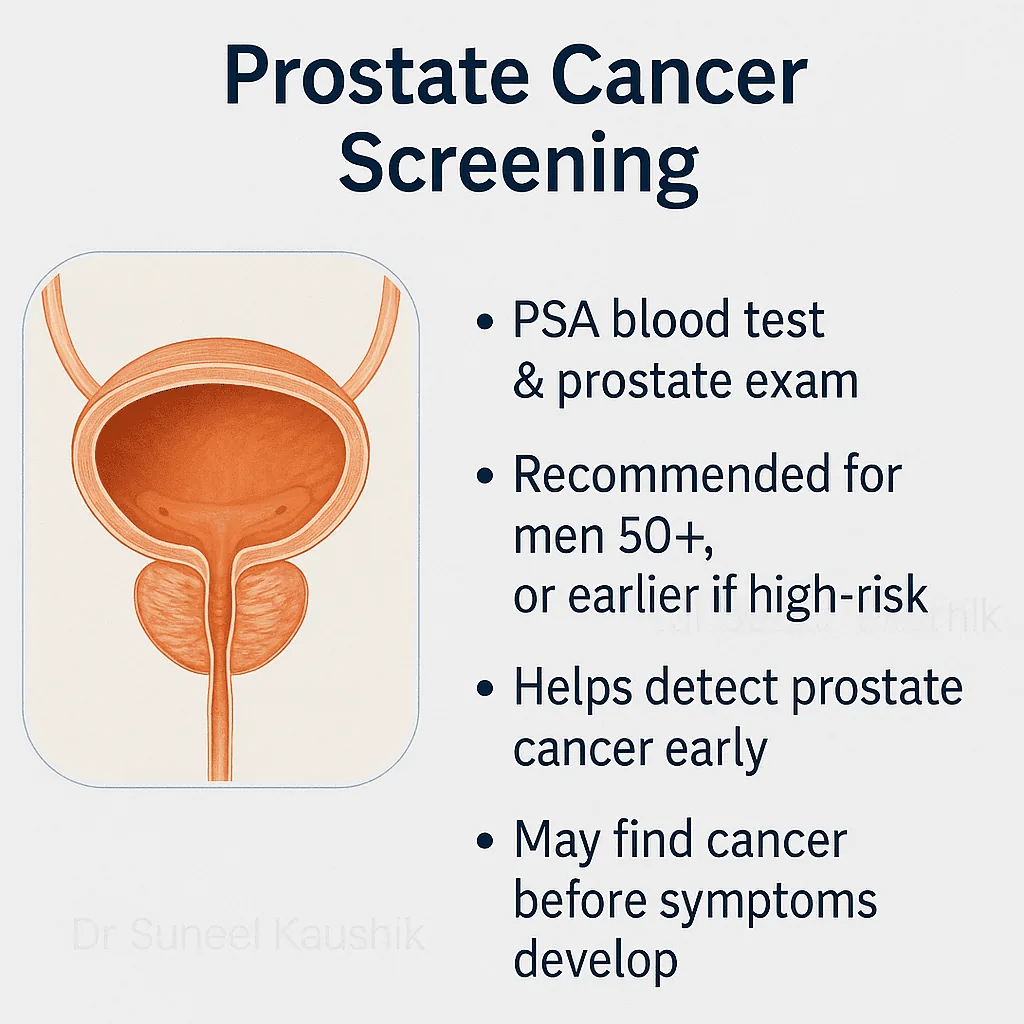
| Prostate Cancer | PSA blood test & prostate exam | From 50 years (45 if high risk) |
| Colorectal Cancer | Colonoscopy / Stool occult blood test | From 45 years |
| Oral Cancer | Clinical oral exam | Annual, especially for tobacco users |
| Lung Cancer | Low-dose CT scan | Current/former smokers: yearly after age 50 |
| Testicular Cancer | Self-exam + clinical exam | Monthly self-exam; clinical exam yearly in young men |
| Stomach Cancer | Endoscopy (risk-based) | For high-risk men (family history, H. pylori) |
Key Highlights of Screening
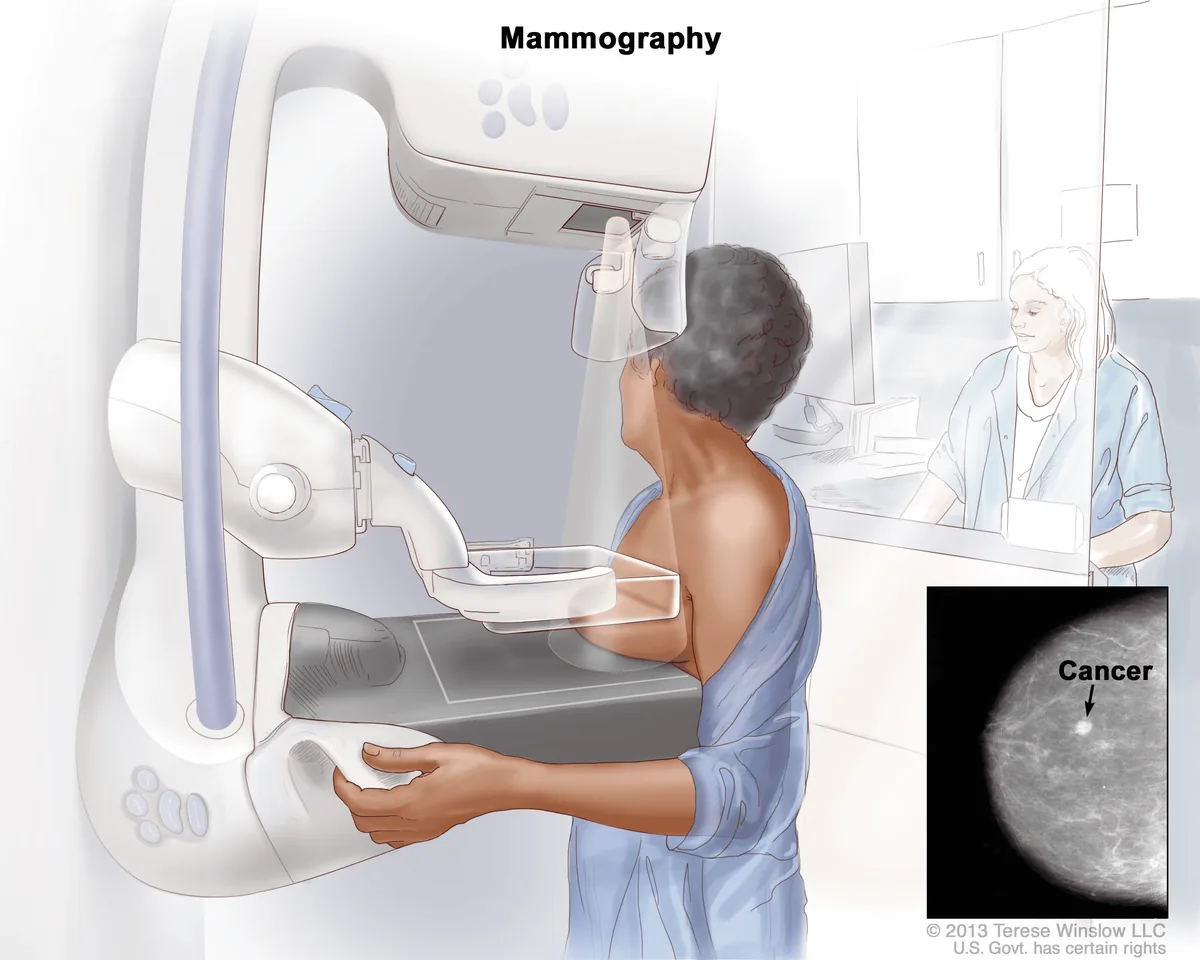
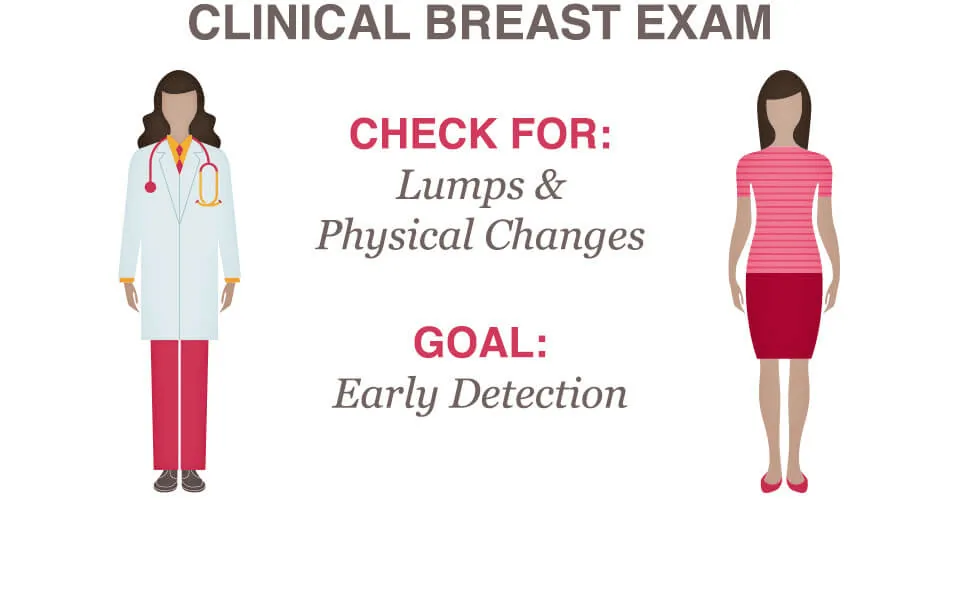
Breast Cancer
- Early detection drastically reduces death rates
- Mammogram is the gold-standard test
Cervical Cancer
- One of the most preventable cancers
- HPV vaccination further reduces risk
Colorectal Cancer
- Screening can prevent cancer by removing polyps early
Lung Cancer
- Low-dose CT has proven to save lives in smokers
Prostate Cancer
- Simple PSA test detects early, curable disease
Who Should Prioritize Screening?
- Individuals above 40 years
- Individuals with prior cancer/ precancerous conditions
- Anyone with a family history of cancer
- Tobacco / alcohol users
- Those with chronic infections (HPV, Hepatitis B & C)
- People with genetic conditions (BRCA, Lynch syndrome etc)
Warning Signs That Need Immediate Medical Attention
- Unexplained weight loss
- Persistent lumps or swellings
- Non-healing ulcers
- Bleeding from any site
- Change in bowel habits
- Persistent cough or voice change
- Difficulty swallowing
If you notice any of these, consult your doctor immediately.
How to Stay Cancer-Aware
- Avoid tobacco and alcohol
- Eat a balanced diet
- Maintain healthy weight
- Exercise regularly
- Get vaccinated (HPV, Hepatitis B)
- Go for regular checkups and screenings
Take Charge of Your Health
Cancer detected early is easier, less expensive, and offers dramatically better outcomes. Screening is simple, painless, and lifesaving.
Book your cancer screening consultation with Dr Suneel Kaushik today.