November 25, 2025
Understanding the Basics of Cancer Treatment: A Patient-Friendly Guide
By Dr. Suneel Kaushik K
When a person is diagnosed with cancer, one of the first questions that comes to mind is, “What treatment options are available for me?” With today’s medical advances, cancer care has become more precise, targeted, and personalized. This article provides a simple and patient-friendly overview of the major treatment options used in oncology.
1. Surgery: Removing the Source of Cancer
Surgery is often the first line of treatment, especially when the tumour is localized. The goal is to completely remove the cancer along with a margin of healthy tissue. With newer techniques such as minimally invasive surgery and robotic assistance, patients experience faster recovery, smaller scars, and reduced complications.
2. Chemotherapy: Targeting Fast-Growing Cells
Chemotherapy uses strong medications to kill rapidly dividing cells. While it has been a cornerstone of treatment for decades, today’s chemotherapy is far more refined. Oncologists customize drug combinations and doses based on tumour type and patient tolerance, helping reduce side effects while improving outcomes.
Common side effects may include fatigue, nausea, hair thinning, or lowered immunity, but supportive care medications now make these effects more manageable.
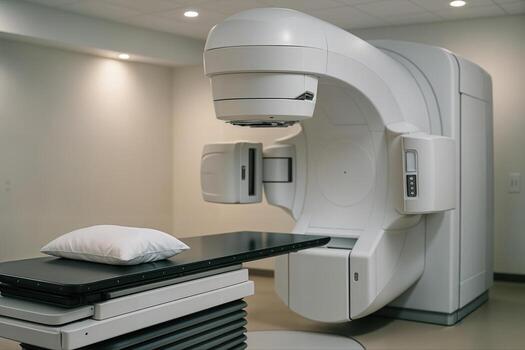
3. Radiation Therapy: Precisely Targeting Cancer
Radiation therapy uses high-energy beams to destroy cancer cells or stop their growth. Modern technologies like IMRT, IGRT, and stereotactic radiosurgery allow oncologists to deliver radiation with millimetre-level precision, protecting surrounding organs and tissues.
It is commonly used for head and neck cancers, brain tumours, prostate cancer, breast cancer, and many others.
4. Immunotherapy: Strengthening the Body’s Own Defences
One of the most transformative advances in oncology, immunotherapy helps the immune system recognize and attack cancer cells. Treatments include:
- Checkpoint inhibitors
- CAR-T cell therapy
- Cancer vaccines
Immunotherapy has shown remarkable long-term benefits, especially in melanoma, lung cancer, and certain blood cancers.
5. Targeted Therapy: Treating Cancer at the Genetic Level
Targeted therapy works by identifying specific mutations or proteins in cancer cells and blocking their growth. This makes the treatment highly effective with fewer side effects compared to chemotherapy.
Examples include EGFR inhibitors for lung cancer, HER2-targeted drugs for breast cancer, and BRAF inhibitors for melanoma.
Before starting targeted therapy, patients undergo specialized tests such as genomic profiling to identify actionable mutations.
6. Hormone Therapy: Controlling Hormone-Sensitive Cancers
Certain cancers such as breast and prostate cancer grow in response to hormones. Hormone therapy lowers hormone levels or blocks their action, slowing down cancer growth and reducing recurrence risk.
7. Multidisciplinary Approach: The Future of Cancer Care
Modern oncology involves a team of specialists—surgeons, medical oncologists, radiation oncologists, pathologists, radiologists, and supportive care experts. This coordinated approach ensures:
- Accurate diagnosis
- Personalized treatment
- Better symptom control
- Improved long-term outcomes
Supportive care, counselling, nutrition guidance, and rehabilitation also play a vital role in helping patients maintain quality of life.
Final Thoughts
Cancer treatment has evolved significantly, offering patients more effective and less invasive options than ever before. Every patient’s cancer is unique, and treatment decisions depend on the type, stage, genetic markers, and overall health.
If you or a loved one has been diagnosed with cancer, seeking a detailed consultation and—when needed—a second opinion can ensure that the treatment plan is the most advanced and appropriate for the condition.